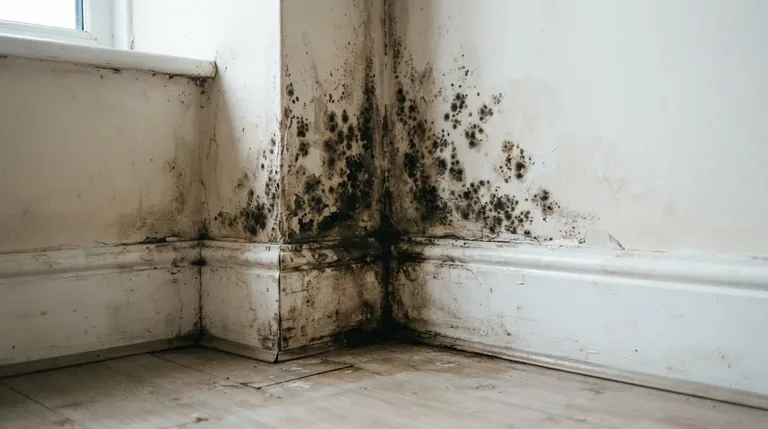
Mold After Water Damage in Memphis, TN: What to Do
FEMA says wet items holding moisture can develop mold within 24 to 48 hours, and EPA says that in most cases mold will not grow if wet items are dried within 24-48 hours.
Who to Call First in MemphisWhat to Do About Mold After a Water Loss
Mold after a water loss is tied to how long materials stay wet. Federal agencies describe mold timing in their own words, quoted separately below, so the practical first steps are to stop the water, document the loss and get the wet areas dried.
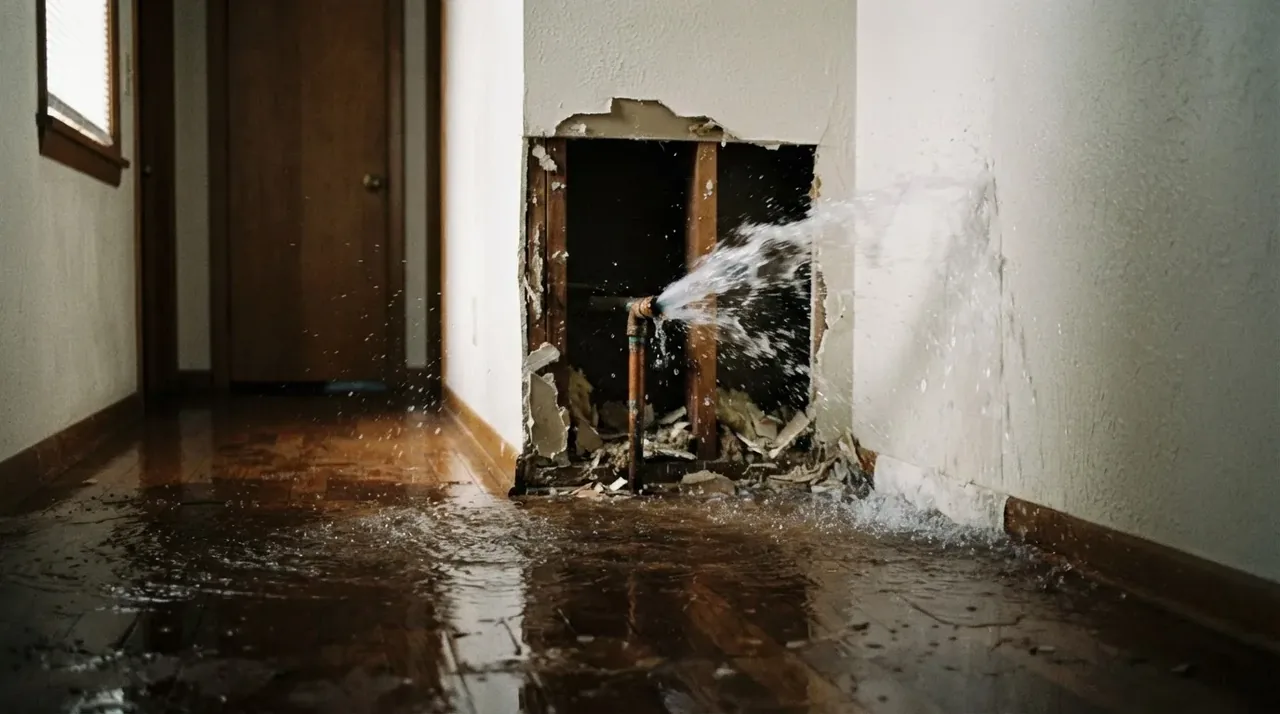
- Stop the source. MLGW says it will turn off the water supply for a burst pipe or water heater leak inside the home that threatens to flood the building; the number is 901-528-4465.
- Document the damage. TDCI and the Red Cross recommend documenting damage; photograph and video it before disposal or demolition, when it is safe.
- Tell your insurer promptly, as the Tennessee Department of Commerce and Insurance (TDCI) advises.
- Dry wet materials quickly. The federal wording on how quickly is in the next section.
If you are not sure which office handles your kind of water, See who to call first in Memphis.
How Fast Mold Can Start: FEMA, EPA and CDC Wording
FEMA describes how soon moisture-holding items can develop mold: in its flood-recovery guidance, wet items holding moisture "can develop mold within 24 to 48 hours." EPA describes conditions that generally prevent growth: in most cases, mold will not grow if wet or damp items are dried within 24-48 hours. The CDC advises drying out the home fully and quickly after a flood.
- FEMA (Ready.gov flood fact sheet): "Wet carpeting, furniture, bedding and any other items holding moisture can develop mold within 24 to 48 hours." Read it in the FEMA fact sheet on Ready.gov.
- EPA (mold course, chapter 4): "In most cases, mold will not grow if wet or damp items are dried within 24-48 hours." The wording is in the EPA mold course chapter.
- CDC: the agency tells people to dry out their home fully and quickly, within 24-48 hours, after a flood, on its mold and health page.
The three statements are not identical. FEMA describes items that can develop mold, EPA describes when mold will not grow, and the CDC describes a cleanup step after a flood. None of them names an exact hour when mold begins.
Testing, Cleanup and Health Precautions
Tennessee's health department does not recommend routine mold testing as a first step. Its advice is to fix the moisture problem and remove or clean visible mold. FEMA/Ready.gov guidance advises that people with asthma, lung disease or a weakened immune system should not enter buildings with visible or suspected mold.
- Tennessee has no separate state license for mold assessors or remediators.
- Ask any provider for proof of insurance and any trade license the job requires; contractor license thresholds are on the Memphis cost page.
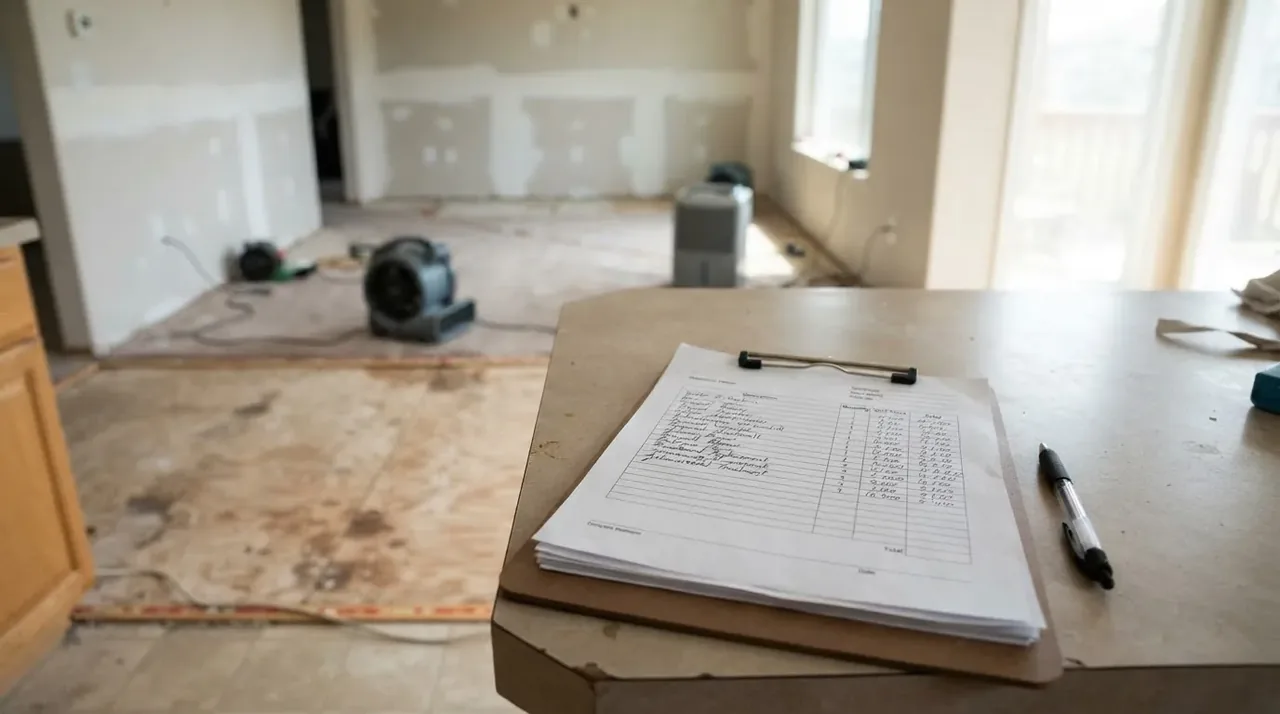
- Ask the provider to list drying, mold cleanup and rebuilding as separate lines in the written estimate.
Separate lines let your insurer see which item is which. Mold work sometimes sits inside a larger repair, and a single lump sum makes it hard to tell what the mold portion is.
Which Water Is It: Pipe, Sewer or River Flood
The kind of water changes what comes next. A broken supply line brings clean supply water, a backed-up sewer brings sewage, and river flooding brings floodwater. In Memphis, the city ties its regulatory floodplain to Nonconnah Creek, the Wolf and Loosahatchie rivers and backwater from the Mississippi River.
- Pipe or water heater inside the home: the MLGW emergency line is 901-528-4465, and MLGW says it will turn off the water supply for a leak inside the home that threatens to flood the building.
- Sewer problem: Memphis Public Works is 901-636-6762 on weekdays, 8:00 a.m. to 4:30 p.m., and Memphis 311 is 901-636-6500.
- River flooding: the city says flood events and elevated flood stages historically occur November through May each year. Questions about the floodplain go to the Civil Design Bureau at 901-636-6700.
Cold weather is the other season to keep in mind. At the Memphis station, the National Weather Service lists an average first freeze (32 degrees F or below) on November 12 and an average last freeze on March 18, based on records through 2020, on its frost and freeze dates page. The burst pipe page for Memphis covers the pipe side of a freeze.
Mold and Your Insurance Policy
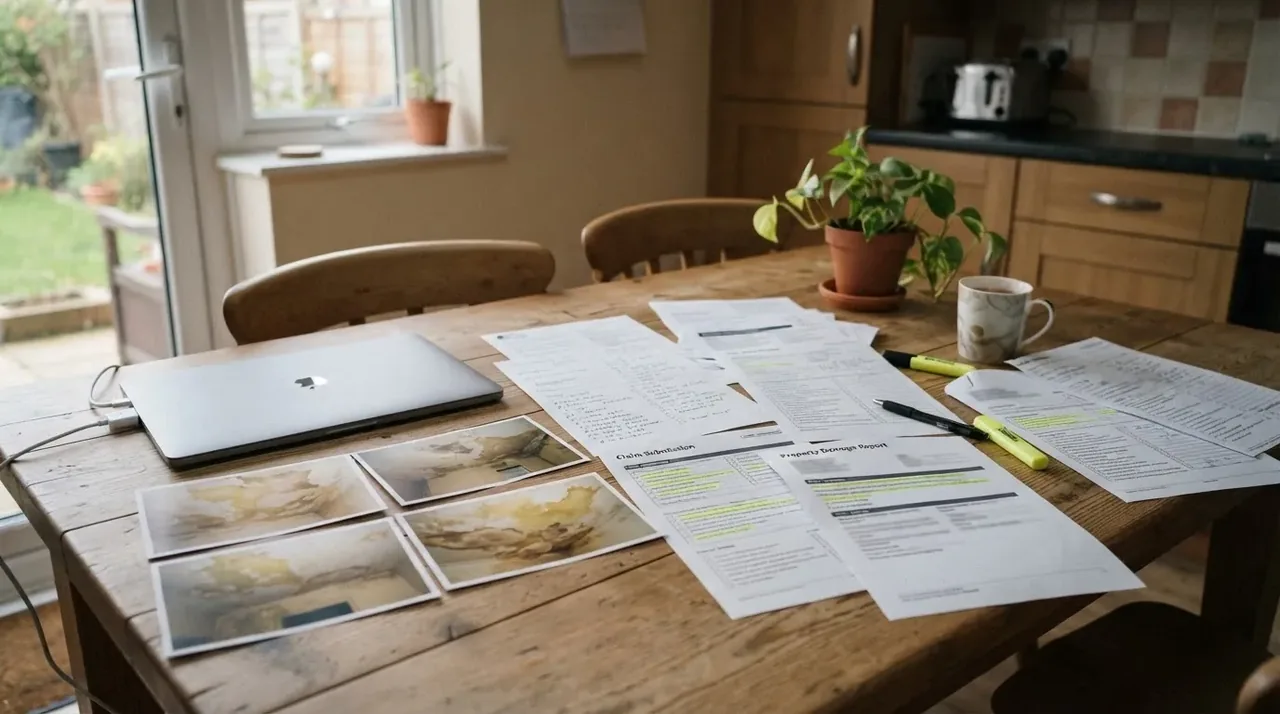
Whether your policy pays for mold depends on its wording, and this page cannot say how your policy reads. Ask your insurer directly how it treats mold that follows a water loss, and read the policy's exclusions and limits sections before you rely on any general statement, including this one.
- TDCI advises prompt notice of a loss, and TDCI takes policy questions at 615-741-2218 or 800-342-4029.
- TDCI says standard homeowners policies typically do not cover flood or backed-up drains and sewers, so the water source matters to the claim.
- The Tennessee claim rules page sets out the insurer's deadlines and public adjuster fee limits.
If the water came through a ceiling, see ceiling water damage in Memphis for that cause.
Mold Facts and Contacts for Memphis
The table below collects the mold timing statements and Memphis contacts from this page, each with its source and the month it was checked. Use it to find the office that handles your kind of water and to see the wording each federal agency uses.
| Item | Fact | Source | Checked |
|---|---|---|---|
| FEMA on mold timing | Items holding moisture can develop mold within 24 to 48 hours | FEMA fact sheet on Ready.gov | Checked: September 2026 |
| EPA on mold timing | In most cases, mold will not grow if wet or damp items are dried within 24-48 hours | EPA mold course, chapter 4 | Checked: September 2026 |
| CDC on drying | Dry out the home fully and quickly, within 24-48 hours, after a flood | CDC mold and health page | Checked: September 2026 |
| Pipe or water heater inside the home | MLGW emergency line 901-528-4465; MLGW says it will turn off the water | MLGW burst pipe page | Checked: September 2026 |
| Sewer report | Public Works 901-636-6762 on weekdays, or Memphis 311 at 901-636-6500 | City of Memphis | Checked: September 2026 |
| Floodplain and NFIP participation questions | Division of Engineering, Civil Design Bureau, 901-636-6700 | City of Memphis engineering page | Checked: September 2026 |
| Average freeze dates | First freeze November 12, last freeze March 18 (32 degrees F or below) | National Weather Service, Memphis | Checked: September 2026 |
If That Did Not Work
If mold is visible, keeps returning or your insurer will not discuss it, you have three exits: address the moisture source again, get a second opinion from another provider, or take the question to a state office. This page cannot say how long any of them will take.
- Try again. Go back to the water source, and ask your provider which materials are still wet and what the written estimate says about them.
- Another route. Ask a different provider for its own written estimate, with drying, mold cleanup and rebuilding on separate lines.
- Who to contact. For policy questions or a complaint, TDCI is at 615-741-2218 or 800-342-4029. For a pipe or water heater emergency inside the home, the MLGW line is 901-528-4465.
Frequently Asked Questions
How soon can mold appear once Memphis building materials get wet?
Should I have my home tested for mold?
Does Tennessee require a mold license?
Who should stay out of a room with visible mold?
Will a Tennessee homeowners policy pay to remove mold?
Is there a safe level of mold in a home?
Water in your home right now?
See who to call first in Memphis, how to reach your water provider, and how to check your flood zone.
Who to Call First in Memphis